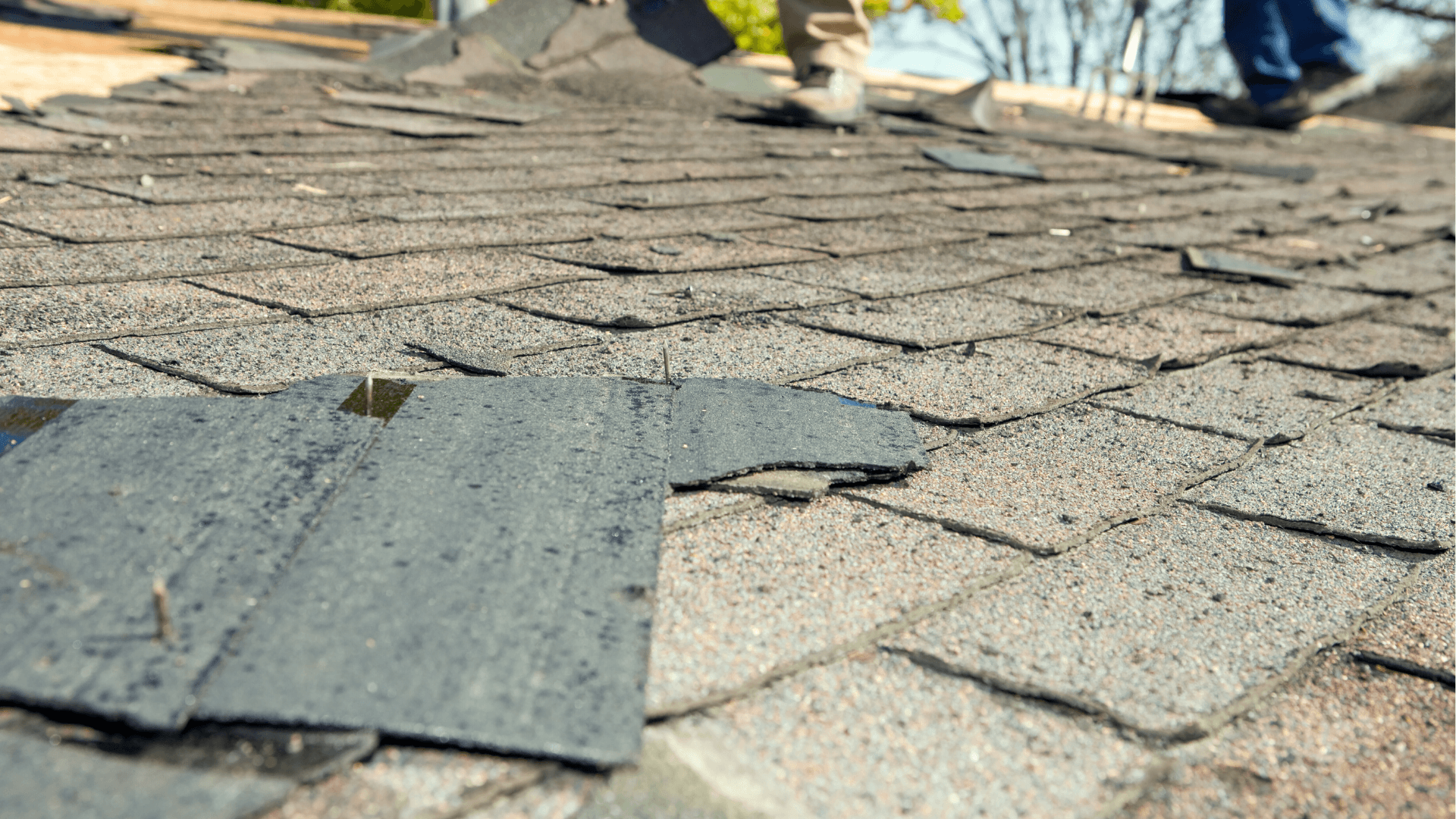
You just experienced a severe thunderstorm that dropped hail across your Cleveland neighborhood. From the ground, your roof looks fine. But should you trust that surface-level assessment? Hail damage isn’t always obvious, and what you miss today can become expensive leaks tomorrow.
After inspecting thousands of Cleveland roofs following hail events, we’ve learned that most homeowners can’t spot the difference between minor cosmetic damage and serious problems that need immediate attention. This guide shows you exactly what to look for—and when to call professionals who can catch what you’re missing.
Understanding Hail Impacts: Size Matters
Not all hail creates the same damage. Pea-sized hail (under half an inch) rarely causes problems on modern shingles. Quarter-sized hail (one inch) starts creating detectable impacts. Golf ball-sized hail (1.75 inches) causes obvious damage visible from the ground. Anything larger can punch straight through roofing materials.
The severity also depends on wind. Hail falling straight down has less impact energy than hail driven at an angle by 50 mph winds. That’s why you’ll often see heavier damage on slopes facing the storm’s approach direction—the hailstones hit with combined falling and horizontal velocity.
Roof age plays a huge role too. A five-year-old roof with thick, flexible shingles absorbs impacts that would devastate a fifteen-year-old roof with brittle, granule-depleted shingles. When adjusters assess hail damage, they always consider existing roof condition before the storm.
What Hail Damage Looks Like on Asphalt Shingles
Most Cleveland homes have asphalt shingles, so this is what you’re most likely dealing with.
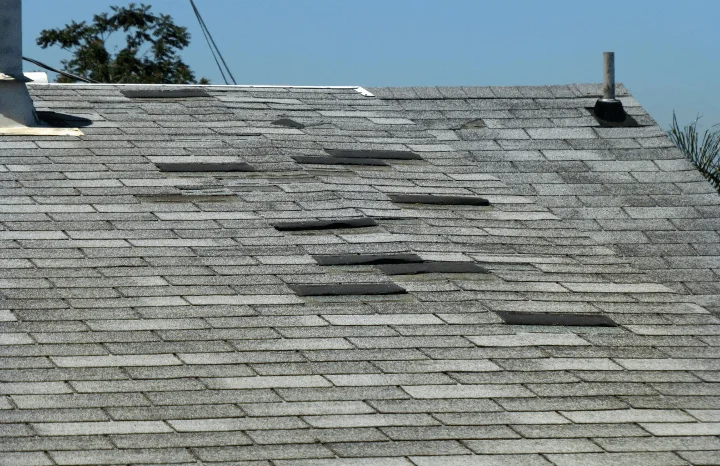
Fresh hail impacts appear as dark circular spots on your shingles. Think of them as bruises—the hailstone compressed the shingle, displacing granules and exposing the underlying black asphalt. These spots have distinct edges, unlike the gradual granule loss from normal aging.
Look closely at these impact marks. If you see shiny spots within the dark circles, that’s compressed asphalt reflecting light differently than surrounding material. This shiny appearance confirms fresh impacts rather than old damage.
The distribution tells the story. Hail creates random patterns across your roof—impacts scattered everywhere without following specific lines or concentrations. If you see damage only along ridges or in valleys, that’s more likely wind or water damage, not hail.
Severe hail sometimes creates visible cracks in shingles radiating from impact centers. These cracks compromise your roof’s waterproofing immediately and need urgent attention. Less severe impacts might not crack shingles but still damage the underlying mat material, creating weak points that fail months later.
Check your gutters. After hail events, you’ll find granules collecting in gutters and downspouts from displaced shingle coatings. A few granules are normal, but heavy accumulation indicates widespread impact across your roof.
Hail Damage on Metal Roofing and Flashing
Metal surfaces show hail damage differently than asphalt shingles, but the evidence is often clearer.
Dents are the obvious indicator. Each hailstone leaves a dimple in metal panels, vents, flashing, and gutters. The dent size roughly correlates with hailstone diameter—bigger hail leaves bigger dents. Severe hail creates obvious dimpled appearance visible even from ground level.
The pattern matters here too. If you see dented gutters, check your roof vents and metal flashing around chimneys. Hail large enough to dent aluminum gutters definitely damaged other metal components.
Paint damage accompanies denting. Hail impacts chip protective coatings on painted metal, exposing bare metal underneath. These exposed spots appear as bright areas on darker surfaces. Even without significant denting, coating damage creates long-term corrosion risks that justify metal roofing repairs.
Look at your air conditioning unit. If the top has visible dents, your roof absorbed similar impacts. AC units serve as convenient damage indicators without requiring roof access.
Spotting Damage on Roof Components Beyond Shingles
Hail doesn’t just hit shingles—it damages everything exposed on your roof.
Flashing around chimneys, skylights, and wall intersections dents and deforms under hail impacts. Even minor flashing damage compromises waterproof seals that prevent leaks. Insurance adjusters check flashing carefully because impacts there often indicate widespread roof damage even when shingles look intact.
Roof vents crack under severe hail. Plastic vent covers split, metal turbine vents dent and lose efficiency, and ridge vent caps separate from their mounting. Check every vent on your roof—damaged vents allow water and pest entry regardless of shingle condition.
Skylights suffer both frame and glazing damage. Severe hail cracks even impact-resistant glass. Frame dents compromise weathertight seals. Any skylight damage creates immediate leak risks requiring emergency attention.
Gutters and downspouts tell you hail severity without roof access. Significant denting means your roof absorbed similar or worse impacts. Use gutter damage as a quick assessment tool—if gutters look beat up, schedule professional roof inspection promptly.
The Hidden Damage You Can’t See From Ground Level
Surface damage you can spot from your yard is only part of the story. Professional inspectors find problems homeowners miss.
Underlayment tears beneath intact-appearing shingles create future leak risks. Severe hail impacts tear the waterproof membrane under your shingles without completely destroying the shingles themselves. These hidden tears allow water infiltration during subsequent rain events, creating mystery leaks weeks or months after hailstorms.
Roof decking cracks from extreme impacts threaten structural integrity. Large hail hitting compromised areas can crack the plywood or OSB beneath your roofing materials. You won’t see these cracks without removing shingles, but they create dangerous weak points.
Granule displacement without visible shingle damage accelerates aging. Moderate hail loosens granule adhesion without creating obvious impacts. The loosened granules wash away gradually over following months, leaving bare asphalt exposed to UV damage. Your roof ages years in a single storm without looking immediately damaged.
This is why professional hail damage inspections prove essential even when you don’t see obvious problems. We’re trained to recognize subtle indicators that predict future failures.
When to Call for Professional Assessment
Certain situations demand expert evaluation regardless of what you see from ground level.
If your neighbors report hail damage on their roofs, check yours even if you see nothing concerning. Hail affects broad areas uniformly—your roof likely sustained similar impacts. Professional inspection reveals damage you’re missing.
When you find obvious damage to gutters, AC units, or siding, assume your roof is damaged too. These accessible surfaces indicate hail severity without requiring dangerous roof access. Don’t assume your roof escaped if everything around it shows impact evidence.
If you experience leaks after recent hail events, even intermittent ones, schedule immediate inspection. New leaks following storms suggest hail compromised your roof’s waterproofing. Waiting allows water damage to spread inside your home.
For insurance claim purposes, document everything within days of hail events. Evidence fades as weathering obscures fresh impacts. Prompt professional documentation creates strongest insurance claim support.
Even without obvious damage, consider inspection after any severe hail. Insurance claim windows close—typically within one year of damage occurrence. Once that window expires, you pay for all repairs out of pocket. A $200 inspection fee could save you from missing $15,000 in covered damage.
What Insurance Adjusters Look For
Understanding adjuster assessment methods helps you prepare for their visit.
Adjusters count impact density—number of hail marks per square foot in representative roof sections. Insurance industry standards typically require 8-10 impacts per 100 square feet to justify replacement rather than repairs. Lower impact densities might warrant localized repairs only.
They assess impact severity, distinguishing cosmetic bruising from functional damage. Minor granule displacement without mat damage might not trigger coverage. Impacts creating shingle cracks or exposing felt paper underneath demonstrate compensable damage.
Adjusters compare slopes, checking windward faces versus protected areas. Heavier damage on storm-facing slopes with lighter damage on protected areas confirms legitimate hail event rather than pre-existing deterioration.
They examine roof components beyond shingles. Dented vents, damaged flashing, and impacted gutters corroborate widespread hail rather than isolated problems. Comprehensive damage across all exposed surfaces strengthens claims significantly.
Having your contractor present during adjuster inspections ensures nothing gets overlooked. We point out subtle damage adjusters might miss and advocate for complete damage recognition within policy terms.
Preventing Confusion: Hail Damage vs. Other Problems
Not everything that looks like hail damage actually is hail damage.
Normal aging creates granule loss, but it concentrates at ridge caps and in valleys where water flow is heaviest. Hail impacts scatter randomly across all roof surfaces. This distribution difference distinguishes natural wear from storm damage.
Wind damage tears shingles along edges and at nail lines, creating linear failure patterns. Hail creates circular impacts with no preferred orientation. Learn to recognize these pattern differences.
Foot traffic from previous repair work creates localized scuffing and granule displacement in walking paths. Hail damage shows no such patterns—impacts occur everywhere including areas no one walks.
Manufacturing defects like blistering create raised bumps rather than compressed spots. Blisters feel puffy; hail impacts feel slightly indented. This tactile difference helps distinguish causes.
Installation damage from improper nailing or tool strikes occurs during roof installation, not randomly across aged roofs following storms. Documentation of installation dates versus storm timing clarifies damage origins.
Why Professional Documentation Matters
DIY damage assessment leaves money on the table and creates claim risks.
We photograph every impact using techniques that capture evidence clearly. Proper lighting angles, reference objects showing scale, and systematic coverage across all roof sections create documentation insurance companies respect.
Our reports quantify damage using industry-standard measurements and terminology. Adjusters understand our language and accept our findings as credible expert opinions. Your photos and descriptions lack this professional weight.
We identify damage you’d miss. Years of experience training our eyes to spot subtle problems pays off in finding every compensable impact. Missing damage means smaller insurance settlements and higher out-of-pocket costs.
Our presence during adjuster visits levels the playing field. Adjusters work for insurance companies; we work for homeowners. Having expert advocacy ensures fair damage recognition rather than minimized assessments.
We document damage timing through weather correlation and fresh impact appearance. This timeline evidence proves damage occurred during covered events rather than pre-existing problems. Strong timeline documentation defeats common insurance company denial tactics.
FairWeather Roofing: Expert Hail Damage Assessment
For over 50 years, we’ve helped Cleveland homeowners identify and document hail damage securing fair insurance settlements and quality repairs.
Our inspectors climb every roof examining all surfaces, components, and penetrations. We don’t rely on ground-level assessment or drone photos—we physically examine every potential damage point documenting findings thoroughly.
We create detailed reports with measurements, photographs, and technical descriptions supporting insurance claims. Our documentation meets carrier standards while advocating aggressively for complete damage recognition. We’ve learned what adjusters need to see and provide exactly that.
We work directly with insurance companies throughout claim processes. Our staff understands policy language, coverage standards, and negotiation strategies that secure maximum legitimate settlements. We’re not adjusting claims—we’re ensuring nothing gets overlooked or minimized.
Our 1,500+ completed roofing projects demonstrate proven expertise across all damage scenarios and repair complexities. Whether you need targeted repairs or complete replacement, we deliver quality work backed by solid warranties and decades of reputation.
Contact FairWeather Roofing for hail damage assessment:
Phone: (216) 899-7663
Email: info@fairweatherroofing.com
Serving Cleveland, Avon Lake, Bay Village, Brecksville, Cuyahoga Falls, North Royalton, Rocky River, Shaker Heights, Solon, Strongsville, and Westlake.
Schedule your hail damage inspection or learn more about our hail damage repair services.
Hail damage hides in plain sight. Don’t assume your roof survived just because you can’t see obvious problems from your driveway. Professional inspection costs far less than missing covered damage or discovering leaks too late. Let our 50+ years of experience work for you.