Cleveland’s location along Lake Erie creates a perfect storm for roof damage. Between lake-effect snow in winter, severe thunderstorms in summer, and the occasional tornado touching down in Northeast Ohio, your roof faces constant threats throughout the year. Understanding how to identify storm damage, document it properly, and navigate the repair process protects both your home and your wallet.
After 50+ years serving Cleveland homeowners, we’ve seen every type of storm damage imaginable. More importantly, we’ve learned that homeowners who know what to look for and how to respond get better outcomes—from insurance claims to final repairs. This guide shares that hard-won knowledge.
Recognizing Different Types of Storm Damage
Not all storm damage looks the same. Wind, hail, heavy rain, and snow each leave distinct signatures on your roof.
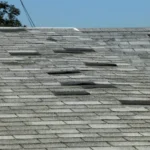
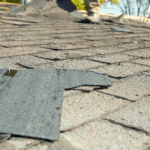
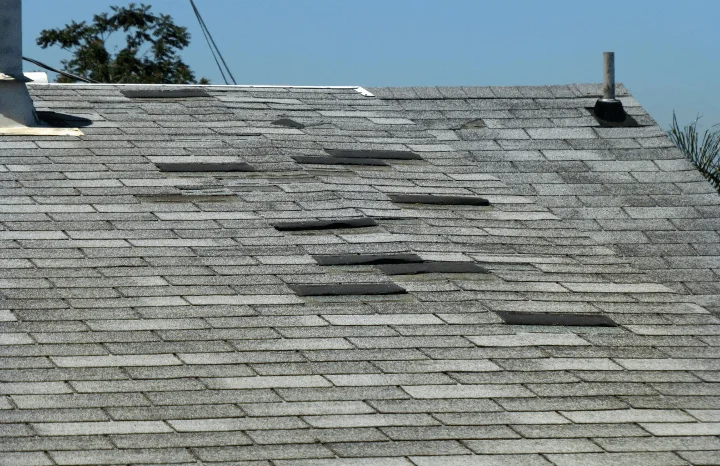
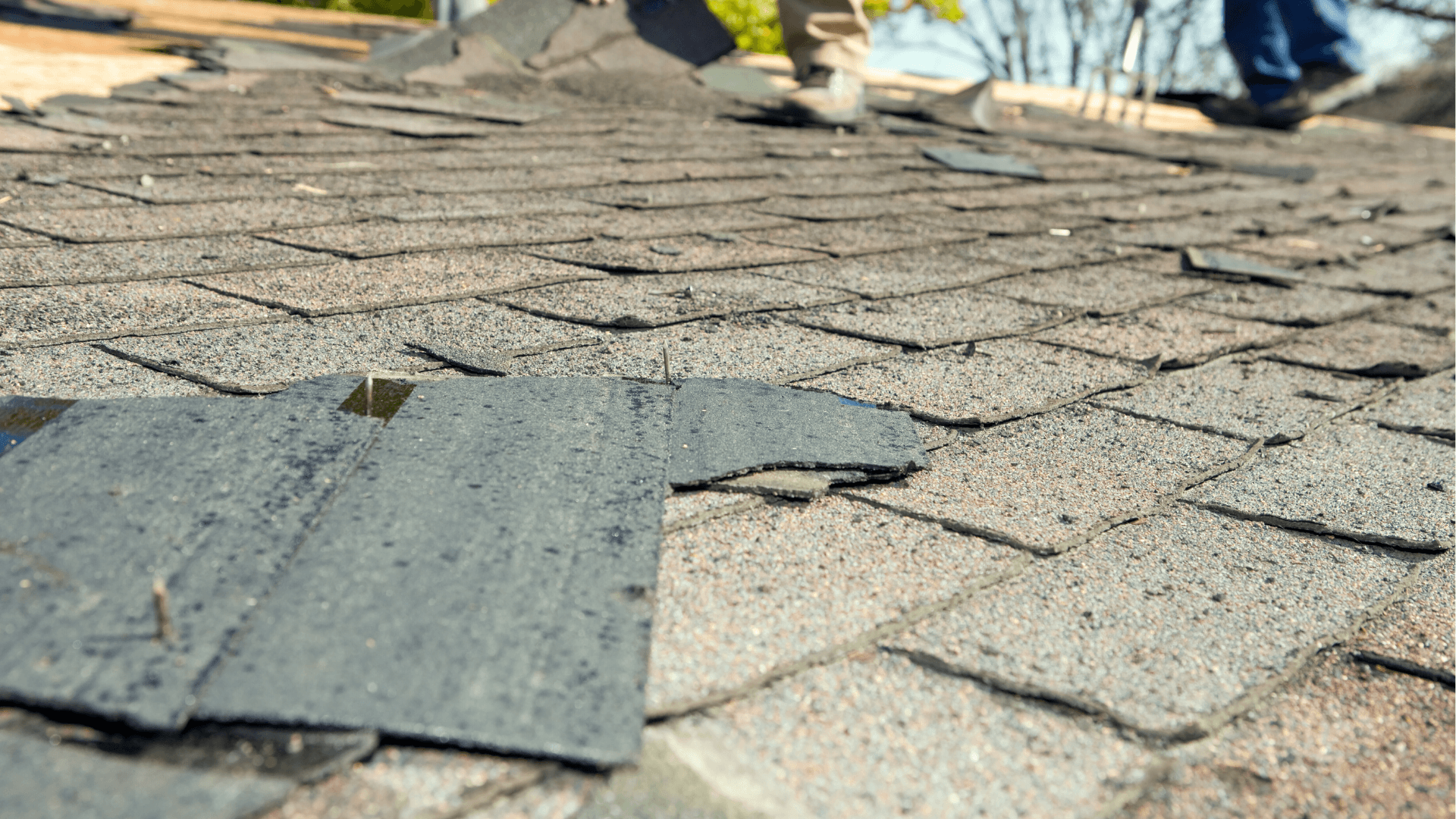
Wind damage typically shows up as missing or lifted shingles, especially along roof edges and ridges where aerodynamic forces concentrate. You’ll often find shingles in your gutters or yard after severe storms. Look for torn or creased shingles where wind caught edges and folded them backward. Damaged flashing around chimneys and vents is another telltale sign—wind exploits these vulnerable transition points.
Hail damage creates circular impact marks on shingles that look like bruises. Small hail leaves subtle impressions you might miss from the ground, while golf ball-sized hail creates obvious dents and cracks. The key indicator is random distribution—hail doesn’t follow patterns the way wind damage does. You’ll also see dented metal flashing, vents, and gutters. Check your air conditioning unit and downspouts for dents; if they’re damaged, your roof probably is too.
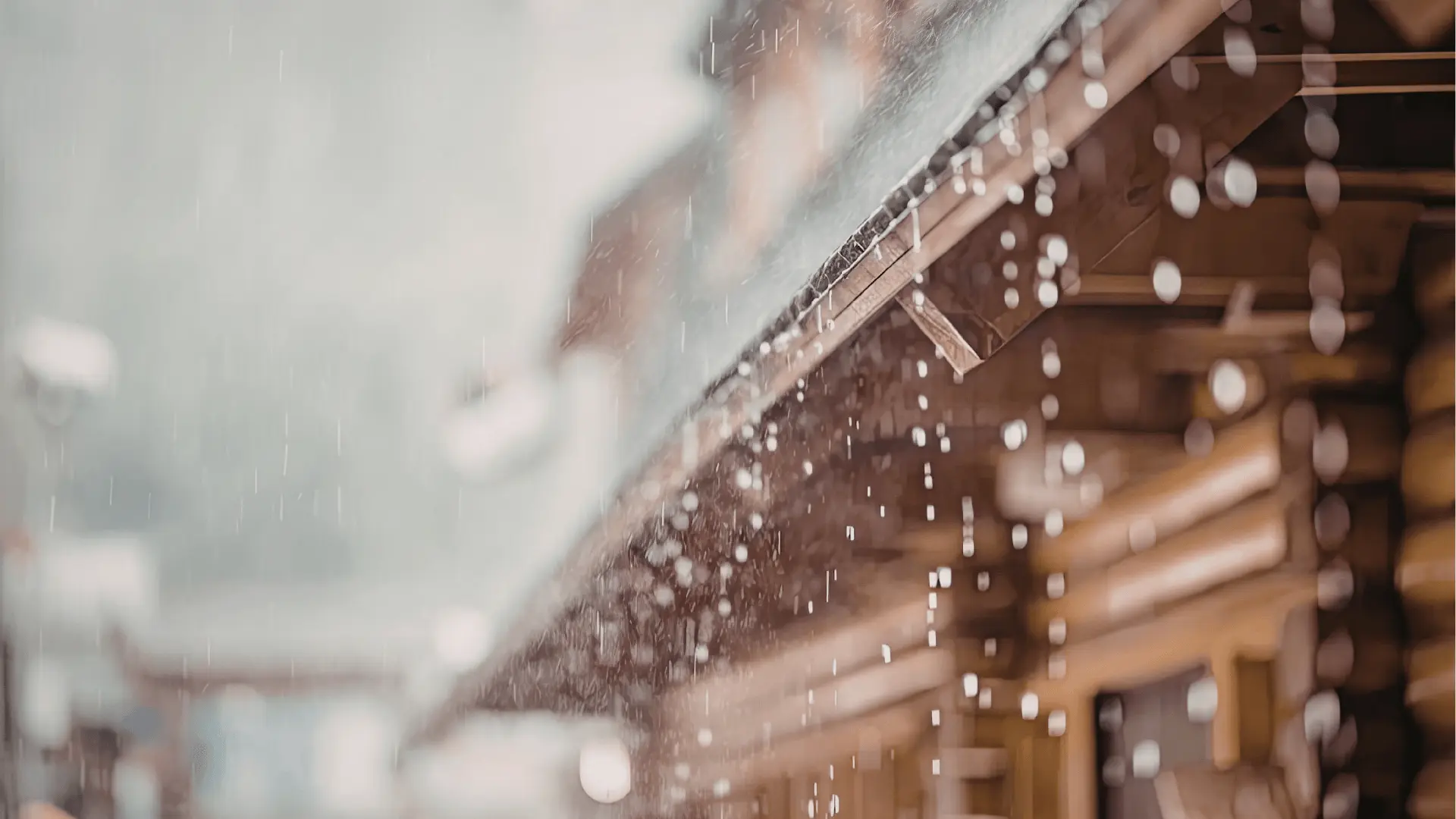
Heavy rain damage often manifests inside your home before you see exterior problems. Water stains on ceilings, moisture in the attic, and musty odors signal that water is getting past your roof’s defenses. These leaks typically occur at flashing failures around chimneys and skylights, or where wind-driven rain found openings in damaged shingles.
Snow and ice create unique Cleveland problems. Ice dams form when inadequate attic insulation allows heat to escape, melting snow on your upper roof. That meltwater runs down to the cold eaves where it refreezes, creating ice barriers that force water under your shingles. You’ll see icicles along your eaves and ice buildup in valleys. Heavy snow loads can actually stress your roof structure—watch for sagging rooflines, stuck doors, and cracked drywall indicating dangerous weight accumulation.
Your First Steps After Storm Damage
Safety comes first, always. Never climb on your roof during or immediately after severe weather. Wait until conditions stabilize and standing water or ice has cleared. If you have downed power lines near your roof, call the utility company before attempting any inspection.
Start your assessment from the ground. Walk your property perimeter looking for obvious damage—shingles in the yard, visible holes, or sagging sections. Use binoculars to examine upper areas you can’t see clearly. Check your attic for water stains, wet insulation, or daylight visible through the roof deck. Document everything with photos from multiple angles.
If you find active leaks, place buckets to catch water and move valuables away from affected areas. For obvious holes or large areas of missing shingles, you can place tarps as temporary protection, but only if you can do so safely from inside your attic or through a window. Secure tarps with sandbags or weights—never nail through your roof yourself, as improper fastening can cause more damage.
Contact your insurance company within 24-48 hours of discovering damage. Most policies require prompt notification, and delays can complicate claims. You’ll receive a claim number and adjuster assignment. Ask about emergency repair authorization—most policies allow temporary protection measures that count toward your deductible rather than coming out of pocket.
The Professional Inspection Advantage
While you can spot obvious damage, professional roofing contractors identify problems you’ll miss. We’re trained to recognize subtle signs that predict future failures—small cracks that will worsen, underlayment damage beneath intact-appearing shingles, and structural stress indicators invisible to untrained eyes.
Professional roof inspections provide detailed documentation that strengthens insurance claims. We measure damage extent, photograph specific problems, and create itemized reports using terminology insurance adjusters understand. This technical documentation carries weight that homeowner photos alone cannot match.
Having an independent contractor inspect before your insurance adjuster visits provides a crucial comparison. Adjusters work for insurance companies, and their assessments sometimes minimize damage. When your contractor is present during the adjuster’s visit, you have an advocate ensuring nothing gets overlooked. This doesn’t mean we’re looking for problems that don’t exist—it means we’re making sure real problems don’t get missed.
The timing matters too. Storm damage evidence can fade as weathering obscures fresh impacts. Granules from hail strikes get washed away by rain. Wind-creased shingles flatten somewhat over time. Scheduling professional inspection within a week of storm damage captures evidence at its clearest.
Documenting Damage for Insurance Claims
Insurance companies need proof, and the quality of your documentation directly impacts your claim outcome.
Take comprehensive photos including wide shots showing your entire roof and property, medium-range images capturing damage patterns across roof sections, and close-ups detailing individual problems. Include reference objects like coins or rulers in close-ups to show scale. Photograph your roof from ground level, upper-story windows, and through attic hatches. Date-stamp everything.
Document the damage chronologically. Take initial photos immediately after storms showing fresh damage. If you discover additional problems later—common when leaks develop days after storms—photograph those separately with new dates. This timeline helps insurance companies understand damage progression.
Write detailed damage descriptions to accompany photos. Note specific problems by location: “Missing shingles on north-facing slope near chimney—approximately 15 shingles across 8-foot section.” Describe interior damage too: “Water stain on master bedroom ceiling, approximately 2 feet by 3 feet, directly below valley on northwest roof section.”
Collect weather documentation proving storm occurrence. National Weather Service reports, local news coverage, and neighbor accounts establish that damaging conditions actually occurred in your area. Insurance companies sometimes question whether claimed damage came from covered storm events or pre-existing problems. Weather documentation removes that ambiguity.
Keep organized files of everything—photos, written notes, contractor reports, adjuster communications, and weather records. Digital backups prevent loss if additional property damage occurs. This organization makes every conversation with adjusters and contractors more efficient.
Navigating the Insurance Claim Process
Understanding how insurance claims work helps you secure fair compensation for legitimate damage.
Your policy dictates coverage, so review it carefully. Most homeowner policies cover sudden storm damage but exclude gradual deterioration and maintenance issues. Know whether you have actual cash value coverage (which applies depreciation) or replacement cost coverage (which pays full repair costs). Understand your deductible—if repairs cost $3,000 and your deductible is $2,500, filing a claim gains you only $500 while potentially raising your premiums.
Insurance adjusters assess damage and authorize payment amounts. They’re trained professionals but they also work for insurance companies whose financial interests don’t always align with yours. Attend the adjuster’s inspection, point out all damage, and ask questions about their findings. Request detailed written assessments explaining what’s covered and what’s excluded.
If your contractor’s estimate differs significantly from the insurance settlement, question the discrepancy. Adjusters sometimes miss damage or use outdated pricing. Experienced storm damage contractors can help negotiate with adjusters, explaining why additional work or higher costs are justified.
Supplemental claims address damage discovered during repairs. When contractors remove damaged shingles, they sometimes find underlayment tears or roof deck problems invisible during surface inspections. Document these discoveries immediately with photos and notify your insurance company. Most policies allow supplemental claims for legitimately undiscovered damage.
Choosing the Right Repair Contractor
After major storms, contractors flood Cleveland offering services. Some are legitimate professionals. Others are “storm chasers” who do substandard work and disappear when problems arise.
Verify licensing and insurance before hiring anyone. Ohio contractors must maintain proper licensing for work over $1,000. Request certificates of insurance directly from insurance carriers—don’t accept contractor-provided copies that could be outdated or fake. Liability insurance and workers compensation protect you from financial responsibility if workers get injured or damage your property.
Check local reputation through online reviews, Better Business Bureau records, and references from recent customers. Established Cleveland-area contractors with decades of history demonstrate stability that temporary storm chasers lack. A local presence means they’ll be around to honor warranties and fix problems.
Warning signs of problem contractors include door-to-door solicitation with high-pressure sales tactics, requests for large upfront payments, vehicles with out-of-state plates, inability to provide local references, and prices dramatically lower than other estimates. If something feels off, trust your instincts.
Get multiple detailed estimates comparing not just total cost but specific materials, work scope, and timelines. Extremely low bids often indicate substandard materials or incomplete work scope. Review contracts carefully before signing—vague descriptions give contractors room to substitute inferior materials or add unexpected charges.
The Repair Process and What to Expect
Understanding typical repair timelines and procedures helps you monitor quality and spot potential problems.
Minor repairs affecting small areas typically take one to two days. Contractors remove damaged shingles, inspect and repair underlayment if needed, install new shingles matching your existing roof, and seal all penetrations. These focused repairs extend your roof’s life when the overall structure remains sound.
Major repairs or full replacements require several days to complete. Contractors tear off damaged materials, replace roof decking where water has caused rot, install new underlayment across affected areas, flash all penetrations properly, install new shingles, and integrate new work seamlessly with existing materials. Weather delays are common—quality contractors won’t install roofing materials in rain or extreme temperatures.
Material selection affects both cost and longevity. Standard three-tab shingles offer adequate protection at lower cost. Architectural shingles provide better wind resistance and longer warranties. Impact-resistant shingles rated for hail protection cost more initially but may qualify for insurance discounts. Metal roofing options provide superior durability in Cleveland’s severe weather.
Quality installation matters as much as material selection. Proper nailing patterns, correct shingle overlap, and meticulous flashing installation determine whether repairs last their expected lifespan or fail prematurely. This is why contractor selection is so critical—experienced crews do it right the first time.
When Repairs Aren’t Enough
Sometimes storm damage reveals that your roof needs complete replacement rather than targeted repairs.
Age plays a major role in this decision. If your 20-year-old roof with a 25-year rating suffers significant storm damage, repairing it provides minimal benefit when the whole roof will need replacement soon anyway. Replacement lets you upgrade materials and reset warranty coverage.
Extent of damage matters too. When hail has impacted most of your roof surface, when wind has damaged multiple roof sections, or when water infiltration has compromised underlayment and decking across large areas, comprehensive replacement makes more sense than extensive repairs. Insurance companies often use percentage thresholds—damage affecting over 30-40% of roof area typically warrants replacement.
Consider total costs including deductibles. Sometimes repair estimates approach replacement costs, making the latter a better investment. If repairs will cost $8,000 and replacement $12,000, the additional $4,000 for a completely new roof with full warranties represents better value than patching an aging system.
FairWeather Roofing: Your Cleveland Storm Damage Partner
For over 50 years, FairWeather Roofing has helped Cleveland homeowners navigate storm damage from initial assessment through completed repairs. Our 1,500+ completed projects demonstrate proven expertise across all damage types and roofing materials.
We provide thorough inspections that identify all damage, not just obvious problems. Our detailed documentation supports insurance claims while giving you clear understanding of necessary repairs. We work directly with insurance adjusters advocating for fair settlements that cover complete repairs.
Our licensed and insured crews maintain the highest safety and quality standards. We use premium materials from trusted manufacturers, install everything according to code and manufacturer specifications, and back our work with solid warranties. When we say something’s done right, we mean it.
We’re available 24/7 for emergency response because storm damage doesn’t wait for business hours. Whether you need immediate tarping to prevent additional damage or comprehensive repair planning, we’re here to help.
Contact FairWeather Roofing:
Phone: (216) 899-7663
Schedule your storm damage inspection or learn more about our storm damage repair services.
Storm damage is stressful, but you don’t have to navigate it alone. With proper assessment, documentation, and expert repairs, your roof will protect your home for years to come. That’s our promise to Cleveland homeowners, backed by five decades of keeping that promise.


2 Responses