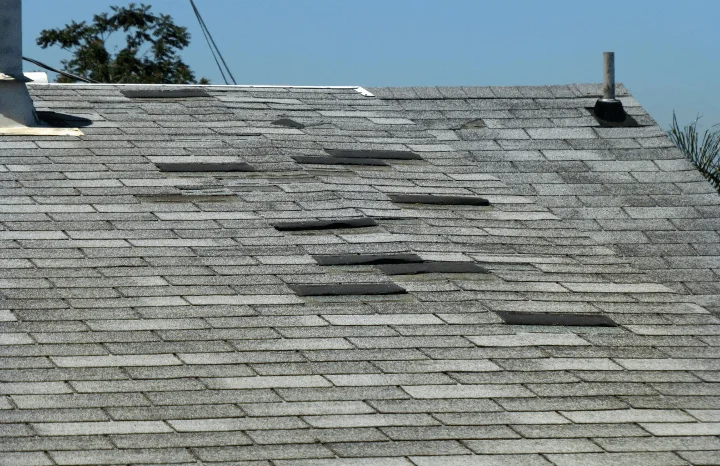
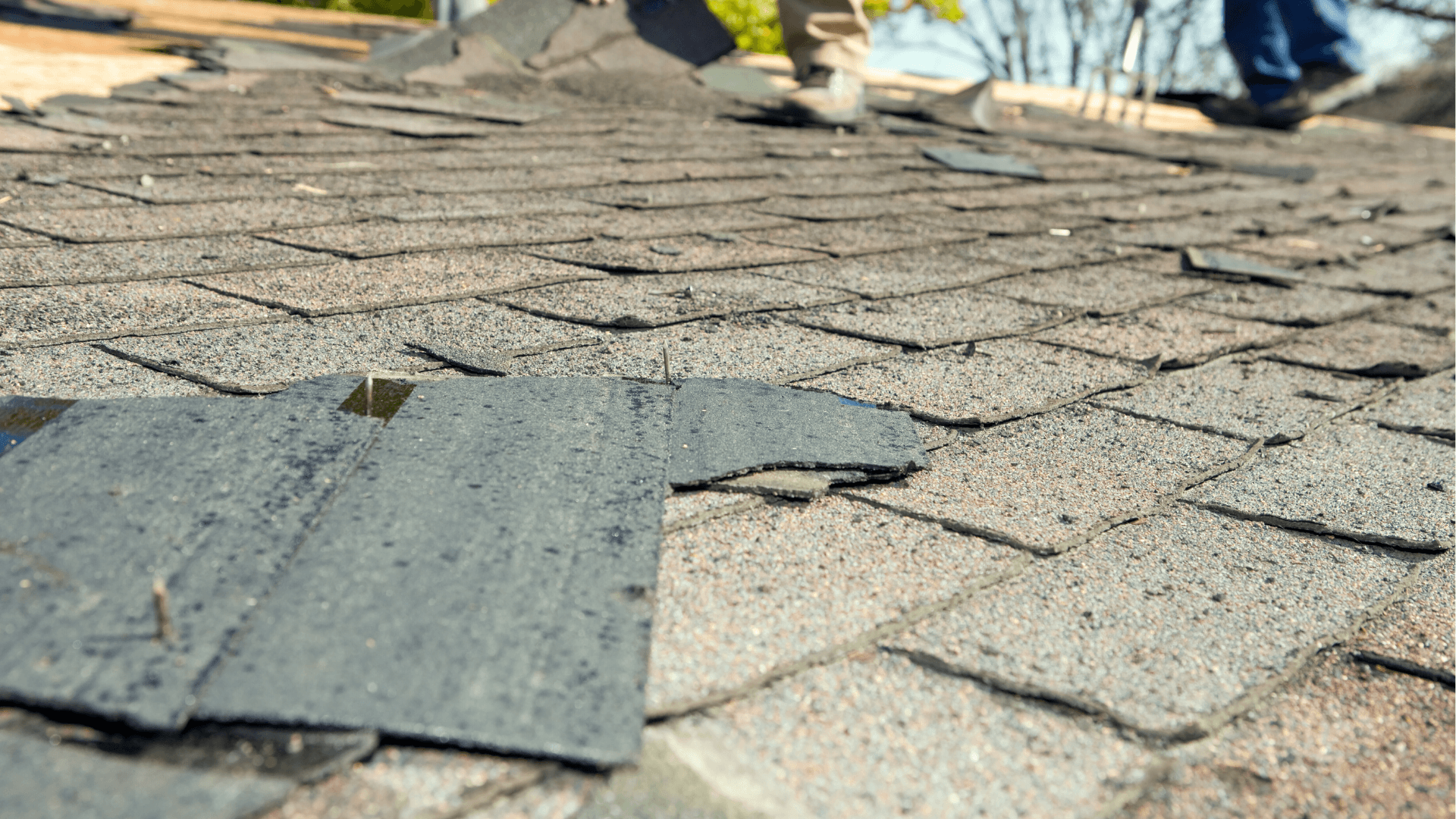
Your roof just took a beating from last night’s storm. Standing water in your attic, missing shingles in the yard, and a growing sense of dread about repair costs. You know you have homeowner’s insurance, but you’ve never filed a claim before. Where do you even start?
Filing a roof insurance claim doesn’t have to be confusing or intimidating. After helping hundreds of Cleveland homeowners navigate this process over 50+ years, we’ve learned exactly what works—and what doesn’t. This guide walks you through every step, from that first phone call to your insurance company through final payment.
Before the Storm: Know What You Actually Have
The time to understand your insurance policy is before you need it, not while water drips through your ceiling.
Your policy type determines how much you’ll receive. Replacement cost coverage pays full repair costs using current material prices. Actual cash value coverage applies depreciation—your ten-year-old roof gets ten-year-old roof money, not new roof money. That difference can cost you thousands. Check your policy declarations page to see which you have.
Your deductible matters more than you think. If storm damage repairs cost $4,000 and your deductible is $2,500, you’re only getting $1,500 from insurance. Some damage might not be worth claiming if it barely exceeds your deductible—small claims can raise your premiums for years while providing minimal benefit. Know your deductible amount before deciding whether to file.
Coverage limits occasionally cap claim payments below actual repair costs. Most policies provide adequate dwelling coverage, but verify your limits could actually cover full roof replacement if needed. If your coverage maxes out at $200,000 but your home would cost $350,000 to rebuild, you’re underinsured. Review limits annually as construction costs rise.
Time limits for filing claims exist in every policy. Most Ohio homeowner policies require notification within one year of damage occurrence. That sounds generous until you realize subtle hail damage might not create visible problems for months. Don’t wait—inspect and document damage promptly after any severe weather.
Step 1: Document Everything Immediately
Your claim’s strength depends on your documentation quality. Start building evidence the moment you discover damage.
Photograph all damage from multiple angles before touching anything. Take wide shots showing your entire roof and property establishing context. Capture medium-range images showing damage distribution across roof sections. Shoot close-ups detailing specific problems—missing shingles, cracked flashing, water stains. Include reference objects like coins or tape measures in close-ups showing damage scale.
Take interior damage photos if water infiltrated your home. Document ceiling stains, wet insulation in attics, damaged belongings, and any structural concerns. These interior photos prove water intrusion severity supporting repair scope claims.
Video walkthrough supplements photos by showing damage relationships and scale that still images miss. Narrate as you film explaining what you’re seeing and where it’s located. “This is the northwest corner where wind lifted six shingles” provides valuable context.
Write detailed damage descriptions noting specific quantities and locations. “Approximately 15 shingles missing from south-facing slope near chimney” beats vague “some missing shingles” in claim documentation. Count what you can count, measure what you can measure, and describe everything specifically.
Date-stamp everything. Your camera or phone automatically tags photos with dates proving when damage was documented. This timeline evidence becomes critical if insurance companies question whether damage occurred during covered storm events or existed previously.
Step 2: Call Your Insurance Company Within 24-48 Hours
Prompt notification starts your claim and demonstrates you’re taking damage seriously.
Have your policy number ready when you call. You’ll provide basic information—your name, address, policy number, and brief damage description. They’ll assign a claim number you’ll reference in all future communications. Write this claim number down immediately and use it consistently.
Explain what happened simply and factually. “Last night’s severe thunderstorm with 60 mph winds and golf ball-sized hail damaged my roof” states facts without exaggeration or minimization. Stick to observable damage—”multiple missing shingles and water leaking into my master bedroom”—rather than speculating about total costs or repair needs.
Ask about emergency repair authorization. Most policies allow temporary protective measures preventing additional damage. Tarping exposed areas or emergency leak repairs typically apply toward your deductible rather than requiring separate out-of-pocket payment. Get authorization before spending money on emergency repairs.
Request adjuster assignment information. Ask when they’ll contact you to schedule inspection, typical inspection timelines, and whether you should get independent contractor estimates before their visit. Some adjusters prefer seeing damage before contractors arrive; others don’t care. Knowing their preference prevents scheduling conflicts.
Keep detailed notes of every conversation including dates, times, representative names, and what was discussed. Insurance claims sometimes drag on for weeks or months. Good notes prevent confusion when trying to remember who said what six weeks ago.
Step 3: Get Professional Inspection Before the Adjuster Arrives
Independent contractor assessment provides critical comparison documentation.
Schedule professional roof inspection within days of filing your claim. Experienced contractors identify damage you’ll miss and document it using terminology insurance companies understand. Their reports carry technical credibility your personal observations lack.
Request detailed written inspection reports with measurements, photographs, and itemized damage lists. Good contractor reports specify quantities—”45 shingles damaged across 200 square feet of south-facing slope”—rather than vague generalizations. This specificity supports claim negotiations when adjuster assessments differ.
Ask contractors to attend adjuster inspections with you. Having your advocate present ensures nothing gets overlooked during adjuster walkthroughs. Experienced storm damage contractors know what adjusters look for and can point out problems adjusters might miss or minimize.
Get detailed repair estimates before adjuster visits. Written estimates itemizing materials, labor, and specific work scope provide comparison benchmarks against adjuster assessments. Significant discrepancies between contractor and adjuster numbers warrant discussion and potential negotiation.
Understand contractor estimates aren’t binding. Insurance companies pay based on their adjusters’ assessments, not contractor estimates. However, substantial differences between professional estimates and insurance settlements signal potential underpayment requiring further investigation.
Step 4: Meet With the Insurance Adjuster
The adjuster inspection determines your claim outcome. Preparation matters.
Be present for the entire inspection. Walk through your property with the adjuster pointing out all damage you’ve documented. Don’t assume they’ll find everything independently—adjusters sometimes rush or miss subtle problems. Your job is ensuring thorough examination.
Bring your documentation to the inspection. Show adjusters your photos, videos, and notes. Point out damage locations you’ve documented. Good adjusters appreciate thorough homeowner documentation; it helps them write accurate reports supporting legitimate claims.
Ask questions about their findings. If adjusters seem to overlook damage you see, ask directly: “What about these damaged shingles near the chimney?” Request explanations for excluded items: “Why doesn’t the damaged flashing qualify for coverage?” Understanding their reasoning helps you decide whether to accept assessments or challenge them.
Take your own photos during adjuster inspections. Document which areas they examined, what they measured, and what they photographed. If disputes arise later about what adjusters saw or didn’t see, your photos provide evidence.
Request detailed written assessments. Adjusters should provide itemized damage lists, coverage decisions for each item, payment amounts, and explanations for any denials. Vague verbal “we’ll send you a check” statements don’t provide enough detail for informed decisions or effective appeals if needed.
Step 5: Review Settlement Offers Carefully
Insurance companies send settlement offers based on adjuster reports. Don’t accept immediately without review.
Compare settlement line items against independent contractor estimates. Look for differences in quantities—did adjusters count all damaged shingles your contractor found? Check material specifications—are they authorizing quality materials or budget alternatives? Review labor rates—do they reflect actual local costs or outdated pricing?
Question discrepancies larger than 10-15 percent. Minor differences between estimates reflect normal variations in assessment. Significant gaps suggest possible underpayment. Call your claims adjuster asking for clarification: “Your estimate shows 20 damaged shingles but our contractor documented 45. Can you explain this difference?”
Understand actual cash value versus replacement cost payment timing. Many policies issue initial checks for depreciated values with additional replacement cost payments after repairs complete. Read settlement letters carefully determining whether initial payment represents full settlement or partial advance.
Check for supplemental claim provisions. Initial assessments sometimes miss damage revealed during repairs. Good policies allow supplemental claims for legitimately undiscovered problems. Understand your policy’s supplemental claim procedures before accepting settlements.
Don’t cash checks immediately if you dispute amounts. Cashing settlement checks sometimes constitutes acceptance of final payment preventing further negotiation. If settlement seems inadequate, negotiate before depositing checks. Once cashed, getting additional money becomes much harder.
Step 6: Negotiate or Appeal If Necessary
Inadequate settlements warrant pushback. Insurance companies expect negotiation.
Submit additional documentation supporting disputed damage. If adjusters missed problems, provide photos and contractor reports documenting overlooked items. Clear evidence of missed damage usually prompts reassessment.
Request re-inspection for substantial disputes. When gap between adjuster and contractor assessments exceeds a few thousand dollars, ask insurance companies to send adjusters back for second looks. Having your contractor present during re-inspections ensures thorough examination.
Invoke umpire/appraisal clauses for deadlocked disputes. Many Ohio homeowner policies include appraisal provisions where each party selects an appraiser, those appraisers select an umpire, and the three jointly determine proper damage value. This binding process resolves disputes without litigation.
File complaints with Ohio Department of Insurance for unfair claim handling. Ohio regulates insurance companies and investigates consumer complaints about claim denials, delays, or underpayments. File complaints through ODI’s website documenting all claim communications.
Consider public adjusters for complex high-value claims. Public adjusters work for homeowners, not insurance companies, handling entire claim processes for percentage fees. They make sense for major damage with disputed values over $20,000 but probably aren’t worth their fees for minor claims.
Step 7: Complete Repairs With Quality Contractors
Settlement approved—now get your roof fixed properly.
Hire licensed, insured, local contractors with established reputations. Verify licensing through Ohio’s construction industry licensing board. Request insurance certificates directly from carriers. Check Better Business Bureau ratings and online reviews. Storm chasers flood Cleveland after major weather offering low prices and delivering garbage work.
Get written contracts before work begins. Contracts should specify exact materials (manufacturer and product line), complete work scope, payment schedules tied to completion milestones, start and completion dates, warranty terms, and change order procedures. Never sign contracts with blank sections contractors promise to “fill in later.”
Pay according to work completion, not upfront. Standard practice involves small deposits (10-20%) with majority payment upon satisfactory completion. Contractors demanding 50%+ upfront lack proper business financing or worry you won’t pay after seeing their work. Neither situation inspires confidence.
Inspect work before final payment. Walk completed projects with contractors verifying all contracted work was performed properly. Check workmanship quality, cleanup thoroughness, and material specifications matching contracts. Don’t release final payments until completely satisfied.
Obtain lien waivers from contractors and suppliers. Lien waivers protect you from subcontractor or material supplier claims if general contractors fail paying them. Request unconditional lien waivers upon final payment ensuring no one can lien your property over contractor payment disputes.
When Claims Get Denied
Denials happen. Understanding common reasons helps you respond effectively.
Pre-existing damage denials claim problems existed before covered events. Fight these with storm timing documentation—weather service reports proving severe weather occurred, fresh damage appearance in photos, and sudden leak development after specific storms. Timeline evidence defeats pre-existing damage allegations.
Maintenance-related denials claim damage resulted from poor upkeep rather than sudden storms. Counter with maintenance records showing proper care, inspection reports documenting good condition before storms, and expert opinions distinguishing sudden damage from gradual deterioration.
Coverage exclusion denials cite policy terms excluding specific damage types. Read your actual policy determining whether exclusions apply. Some denials misapply exclusions to covered damage. If coverage disputes involve policy interpretation, consult attorneys specializing in insurance claims.
Insufficient documentation denials claim inadequate evidence proving damage occurred. Respond by submitting additional photos, contractor reports, neighbor statements, and weather documentation. Thorough evidence often reverses documentation-based denials.
Never accept denials without understanding reasons and exploring appeals. Insurance companies deny claims hoping homeowners won’t fight. Legitimate damage deserves coverage—push back on questionable denials.
FairWeather Roofing: Your Claim Support Partner
For 50+ years, we’ve helped Cleveland homeowners navigate insurance claims from damage discovery through completed repairs.
We provide detailed inspections and documentation strengthening claims. Our reports use insurance industry terminology adjusters understand while advocating aggressively for complete damage recognition. We’ve learned what documentation claims need and provide exactly that.
We attend adjuster inspections advocating for homeowners during assessments. Our presence ensures thorough damage examination and proper coverage consideration. We explain technical issues adjusters might miss and push back on minimized assessments.
We negotiate directly with insurance companies on homeowners’ behalf. Our experience handling hundreds of claims taught us negotiation strategies securing fair settlements. We know when to push, how to push, and what evidence convinces adjusters.
Our 1,500+ completed projects demonstrate proven expertise across all damage types and repair complexities. Quality work backed by solid warranties and five decades of reputation ensures your claim money goes toward repairs protecting your home for years.
Contact FairWeather Roofing for claim assistance:
Phone: (216) 899-7663
Schedule your inspection and let our experience guide you through successful claim processes securing fair settlements and quality repairs.
Insurance claims feel overwhelming when you’re dealing with storm damage and worried about costs. You don’t have to navigate this alone. Professional guidance makes the difference between inadequate settlements and fair compensation protecting your home and your wallet.